Sponsored
How Physical Gold Acts as the Ultimate Emergency Brake Against a Dropping Dollar
High-Net-Worth Retirement Savers Look to Physical Gold as Dollar Risk Pressures Purchasing Power
By Gold IRA Custodian Reviews on July 28, 2026
How Physical Precious Metals Can Help Diversify Retirement Assets During Currency Weakness
➤ Request 2026’s Top Choice Physical Gold IRA Guide Here

For families who have spent decades compounding liquid wealth, a depreciating dollar is not just an inconvenience. It can become a quiet wealth tax.
Paper assets, cash reserves, and fixed-income holdings all depend on purchasing power. When the dollar loses value, a retirement portfolio may look stable on paper while buying less in the real world.
That is why many high-net-worth retirement savers study physical gold differently. They do not always view it as a trade. They view it as a potential emergency brake against currency weakness, inflation pressure, market stress, and policy uncertainty.
Physical gold does not make a portfolio immune from risk. Gold prices can fall. Gold pays no interest or dividends. Storage, insurance, spreads, liquidity, and custodian fees also matter.
Still, when used carefully, physical gold may help affluent savers reduce total dependence on fiat currency, financial institutions, and paper market confidence. A self-directed Gold IRA can also provide a tax-advantaged structure when IRS rules are followed.
Quick answer: Physical gold can act as an emergency brake against a dropping dollar because it is a tangible monetary asset that is not issued by a central bank. In a retirement account, eligible gold may be held through a self-directed IRA with an approved custodian and depository. The purpose is not speculation. The purpose is measured diversification, purchasing power defense, and long-term wealth preservation.
Important: This article is for educational purposes only. It is not legal, tax, retirement, estate planning, or investment advice. Always consult a qualified financial advisor, tax professional, and attorney before moving retirement assets, opening a self-directed IRA, or buying precious metals.
What a Dropping Dollar Means for Retirement Wealth
A dropping dollar does not always show up as one dramatic event. It often appears through higher prices, reduced purchasing power, and the need for more dollars to buy the same goods and services.
The Bureau of Labor Statistics explains that the Consumer Price Index can show how the purchasing power of a dollar changes over time. The Federal Reserve also describes inflation as a general increase in the overall price level of goods and services.
For smaller accounts, inflation may feel like an annoyance. For high-net-worth retirement savers, the math can become much larger.
A family with substantial cash, bonds, or money market holdings may not see major market losses on monthly statements. Yet those same assets can lose real value if the currency weakens faster than yield offsets the damage.
This is why dollar risk matters in retirement planning. The account balance is only part of the story. The real question is how much future lifestyle, healthcare, housing, travel, charitable giving, and family support that balance can still buy.
Why Cash Can Feel Safe While Losing Ground
Cash feels safe because the number on the statement rarely moves down. A dollar remains a dollar. That can be psychologically comforting during stock market volatility.
The problem is that retirement savers do not live on account statements. They live in an economy where the cost of insurance, food, utilities, property taxes, healthcare, repairs, and services can rise over time.
That creates a hidden risk. A large cash position may protect against short-term volatility, but it may not protect long-term purchasing power.
Fixed-income assets can also face pressure. Higher yields may help, but bonds can be affected by inflation expectations, interest rates, credit risk, and duration. In real terms, a conservative allocation can still be exposed.
That does not mean cash and bonds are bad. They can provide liquidity, income, and stability. It means affluent savers should ask whether those assets are carrying too much of the portfolio’s defensive burden.
Why Physical Gold Is Different from Paper Assets
Physical gold is different because it is not someone else’s promise to pay. It is not a corporate share. It is not a bond coupon. It is not a bank deposit. It is not a digital entry backed only by confidence in an issuer.
Gold is a tangible asset with global recognition. It has served as a store of value across many monetary systems, even though its price can move sharply over shorter periods.
That distinction is important. Physical gold does not depend on a company meeting earnings expectations. It does not require a borrower to repay principal. It cannot be created by a central bank through policy tools.
For high-net-worth retirement savers, that independence can matter. A measured allocation may help diversify risks tied to stocks, bonds, cash, banks, and fiat currency.
This does not make physical gold risk-free. The goal is not to replace every other asset. The goal is to add a hard-asset layer that may behave differently when paper assets face stress.
The Emergency Brake Metaphor: What Gold Can and Cannot Do
The emergency brake metaphor is useful because physical gold is not designed to drive the entire portfolio. It is designed to help slow damage when confidence in paper value weakens.
In a vehicle, the emergency brake is not the engine. It is not the steering wheel. It does not replace normal maintenance. It exists for moments when control and stability matter.
Physical gold can play a similar role in some retirement strategies. It may help provide a tangible reserve when dollar weakness, inflation, geopolitical turmoil, or market instability makes paper assets feel less reliable.
However, gold cannot solve every retirement problem. It does not generate income. It can be volatile. It may lag during strong dollar periods. It also requires careful buying, storage, and liquidity planning.
That is why sensible diversification matters. Gold should be evaluated as part of a larger plan that may also include equities, fixed income, cash reserves, real estate, insurance, tax planning, and estate planning.
How a Self-Directed Gold IRA Fits the Strategy
A self-directed Gold IRA is a retirement account that can hold certain IRS-eligible precious metals. It is not a special loophole. It is an IRA structure that requires proper custody, documentation, and compliance.
For investors with existing retirement assets, the appeal is straightforward. A portion of a traditional IRA, old 401(k), or eligible retirement account may be moved into a self-directed IRA that holds approved physical metals.
When handled correctly, this can allow the investor to add physical gold exposure without taking a taxable distribution first. The account still remains subject to IRA rules.
This structure can be especially relevant for high-net-worth retirement savers who want dollar defense inside a retirement account rather than only in taxable personal holdings.
That said, the structure must be respected. A Gold IRA involves a dealer, custodian, and depository. Understanding each role can help prevent mistakes.
For a deeper breakdown, see our guide to the Gold IRA custodian vs dealer.
Direct Rollover or Transfer: Why Process Matters
The rollover process is one of the most important parts of a Gold IRA decision. A good strategy can be damaged by poor execution.
The IRS explains that a trustee-to-trustee transfer allows funds to move directly from one IRA trustee to another. No taxes are withheld from the transferred amount when the payment is made directly between institutions.
That is why many investors prefer a direct transfer or direct rollover instead of receiving funds personally. Taking possession of retirement funds can introduce deadlines, withholding issues, and possible taxes or penalties if the process is mishandled.
Before signing paperwork, ask the provider to explain the process in plain English. You should understand who sends the funds, who receives them, what forms are required, and whether any existing plan restrictions apply.
Do not rely on verbal promises alone. Keep copies of transfer forms, purchase confirmations, storage confirmations, fee schedules, and account statements.
IRS-Eligible Metals, Storage, and Custody
A Gold IRA cannot hold just any gold product. The IRS has rules for precious metals held by individually directed retirement accounts. Some coins and bullion may qualify, while many collectibles do not.
The IRS notes that bullion must meet certain fineness standards and must be in the physical possession of a bank or approved non-bank trustee. That storage requirement is central to Gold IRA compliance.
In practical terms, that means IRA metals are not stored at home. They are usually stored through an approved depository relationship arranged through the IRA custodian.
This point matters because home storage promotions can confuse investors. A retirement saver may own personal gold outside an IRA, but IRA-owned metals must follow IRA custody rules.
Eligible products, depository choice, storage type, insurance, account statements, and liquidation procedures should all be explained before funds move.
For pricing context, our guide to Gold IRA spreads and markup explains why metal selection and dealer pricing should be reviewed carefully.
Physical Gold vs Gold ETFs vs Cash Reserves
Investors often compare physical gold with gold ETFs and cash. Each tool can serve a different purpose.
Cash is liquid and simple. Gold ETFs can provide convenient price exposure. Physical gold provides direct ownership of a tangible asset when properly purchased and stored.
The right mix depends on the investor’s goals. A high-net-worth saver focused on emergency liquidity may value cash. An investor seeking trading convenience may prefer an ETF. An investor concerned about dollar risk and tangible ownership may study physical gold.
| Asset Type | Primary Strength | Key Limitation |
|---|---|---|
| Cash | Immediate liquidity and simple access. | Purchasing power may erode during inflation. |
| Bonds | Income potential and portfolio stability. | Inflation, rate changes, and duration can affect real value. |
| Gold ETFs | Convenient market exposure to gold prices. | Not the same as holding IRA-owned physical bullion. |
| Physical Gold | Tangible hard asset with global recognition. | Requires storage, insurance, pricing review, and liquidity planning. |
The emergency brake role usually belongs to physical gold because the asset is tangible. However, investors should compare all choices before deciding.
Why High-Net-Worth Savers Ask Different Questions
High-net-worth retirement savers usually ask different questions than first-time investors. They are often less focused on hype and more focused on process, documentation, fees, and risk control.
That is the correct instinct. The larger the account, the more important details become.
A small percentage allocation in a multi-million dollar retirement account can still represent a significant purchase. Therefore, the decision should be handled with institutional discipline.
Before buying metals, affluent savers should ask:
- ✓ What specific retirement account will fund the purchase?
- ✓ Will the movement be a direct transfer, rollover, or new contribution?
- ✓ Which custodian will administer the IRA?
- ✓ Which depository will store the metals?
- ✓ Are the metals allocated, segregated, or pooled?
- ✓ What are the exact spreads, annual fees, storage costs, and liquidation terms?
- ✓ How will the account coordinate with beneficiaries and estate planning documents?
These questions can slow the sales process. That is a benefit, not a problem. Serious retirement decisions deserve careful review.
Fees, Spreads, and Liquidity: The Real-World Details
A strong dollar-defense strategy can still be weakened by poor pricing. Fees and spreads matter because they affect the investor’s starting position.
A Gold IRA may include setup fees, annual administration fees, storage fees, insurance costs, dealer spreads, wire fees, and liquidation charges. Some providers also use different pricing for coins and bars.
FINRA advises investors to ask about fees, costs, commissions, and pricing before buying physical precious metals. That guidance is especially important when retirement assets are involved.
Large purchases deserve written transparency. Ask for a clear breakdown before funds move.
Also ask how liquidation works. A high-net-worth saver may intend to hold metals for years, but liquidity still matters. Retirement plans change. Required distributions may apply. Beneficiaries may need flexibility later.
See our full Gold IRA fees and providers guide before comparing companies.
➤ Request 2026’s Top Choice Physical Gold IRA Guide Here
How to Choose a Gold IRA Company for Dollar Defense
A Gold IRA company should educate before it sells. That is especially important when the investor is using gold as a defensive allocation rather than a speculative bet.
Look for a provider that explains the full account structure. The company should clearly identify the dealer, custodian, depository, eligible metals, fees, storage options, buyback process, and transfer steps.
Be cautious with pressure tactics. FINRA warns investors to avoid pushy precious metals salespeople and to check backgrounds before buying physical precious metals.
Before selecting a provider, ask direct questions:
- ✓ Will I receive an educational review before any purchase decision?
- ✓ Are all fees and spreads disclosed in writing?
- ✓ Which metals are eligible for my IRA?
- ✓ Where will the metals be stored?
- ✓ How are account statements and storage confirmations provided?
- ✓ What happens if I later sell metals or take an in-kind distribution?
- ✓ How will my beneficiaries understand the account if I pass away?
At Gold IRA Custodian Reviews, we encourage investors to research providers carefully. Our guide on how to find a reputable gold dealer can help you avoid common pitfalls.
Watch Herbert Campbell explain why he chose Augusta Precious Metals for his gold & silver IRA:
Requesting free information from a reputable Gold IRA company takes less than one minute. It can also help you compare account structure, pricing, rollover steps, and physical gold storage questions before making a decision.
Gold IRA Dollar Defense Checklist
Use this checklist before opening, transferring, or funding a Gold IRA for dollar-defense purposes.
- ✓ Define why you want physical gold exposure.
- ✓ Decide what percentage of retirement assets may fit your plan.
- ✓ Review cash, bond, equity, and real estate exposure first.
- ✓ Confirm whether a traditional or Roth self-directed IRA is appropriate.
- ✓ Use a direct transfer or direct rollover when appropriate.
- ✓ Buy only IRS-eligible metals for the IRA.
- ✓ Verify the custodian, depository, storage type, and insurance process.
- ✓ Compare fees, spreads, buyback policies, and liquidation terms.
- ✓ Keep records for heirs, tax professionals, and financial advisors.
- ✓ Review the allocation after major life, tax, or market changes.
Frequently Asked Questions About Physical Gold and a Dropping Dollar
What does a dropping dollar mean for retirement savers?
A dropping dollar means the currency buys less than it did before. Retirement savers may feel this through higher prices, reduced purchasing power, and lower real value from cash or fixed-income assets. The effect can be significant for high-net-worth families with large cash or bond allocations.
Does physical gold always rise when the dollar falls?
No. Physical gold does not move perfectly against the dollar every day, month, or year. Gold prices can fall and can remain volatile. Investors often consider gold because it may behave differently from paper assets during inflation, currency weakness, market stress, or confidence shocks.
Can physical gold be held inside an IRA?
Yes. Certain IRS-eligible precious metals can be held inside a self-directed IRA when the account follows IRA rules. The metals must meet eligibility standards and are generally held by an approved depository through the IRA custodian structure.
Can I store Gold IRA metals at home?
Gold IRA metals are generally not stored at home. IRS rules require qualifying IRA bullion to be held in the physical possession of a bank or approved non-bank trustee. Personal gold outside an IRA is different from IRA-owned gold.
Is a Gold IRA rollover taxable?
A properly handled direct rollover or trustee-to-trustee transfer may allow retirement funds to move without current tax withholding. If funds are distributed to the investor personally and are not handled correctly, taxes and penalties may apply. Always consult a qualified tax professional.
What types of gold can a Gold IRA hold?
A Gold IRA can hold certain coins and bullion products that satisfy IRS rules. Many collectibles and promotional rare coins do not qualify. Investors should confirm eligibility, fineness, custody, and storage before purchasing any product for an IRA.
How much physical gold should a high-net-worth investor own?
There is no universal allocation. The right percentage depends on age, income needs, tax situation, liquidity, risk tolerance, estate planning goals, existing assets, and advisor guidance. Many investors treat physical gold as a measured diversification sleeve, not an all-in position.
Does physical gold pay income?
No. Physical gold does not pay interest or dividends. Its potential role is different from income-producing assets. Investors usually consider gold for diversification, purchasing power defense, and tangible hard-asset exposure.
Why request a Gold IRA guide before speaking with a provider?
A guide can help investors understand account structure, eligible metals, rollover steps, storage, fees, and common questions before a sales conversation begins. Better preparation can make it easier to compare providers and avoid rushed decisions.
Final Thoughts on Physical Gold and Dollar Defense
A dropping dollar can quietly challenge retirement wealth. The risk is not always dramatic. It may appear slowly as cash buys less, fixed-income returns struggle to keep up, and paper assets depend on confidence in the same monetary system.
Physical gold offers a different type of exposure. It is tangible, globally recognized, and independent of central bank issuance. That is why some high-net-worth retirement savers consider it an emergency brake rather than a short-term trade.
Still, the details matter. A Gold IRA must follow IRS rules. The metals must be eligible. Custody and storage must be handled correctly. Fees and spreads must be reviewed in writing. The allocation should also fit your broader retirement, tax, and estate plan.
Used carefully, physical gold may help preserve purchasing power, diversify retirement assets, and reduce dependence on a weakening dollar. The first step is education.
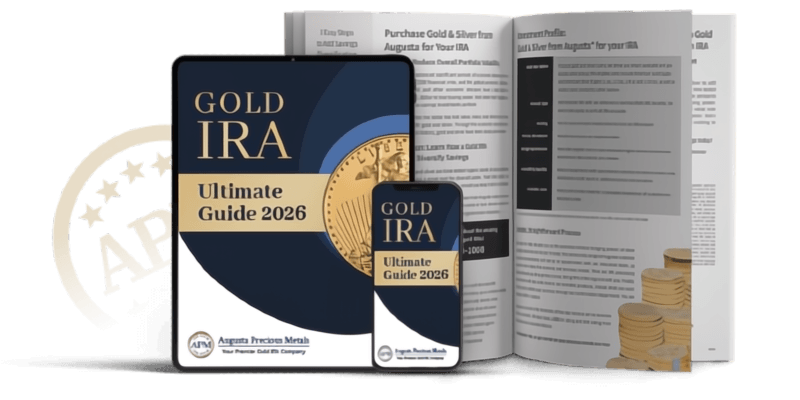
➤ Request 2026’s Top Choice Physical Gold IRA Guide Here
i BLS Purchasing Power and Constant Dollars
ii Federal Reserve – What Is Inflation?
iii IRS Rollovers of Retirement Plan and IRA Distributions
iv IRS Investments in Collectibles in Individually Directed Qualified Plan Accounts
v IRS Approved Nonbank Trustees and Custodians
vi FINRA Investor Bulletin: 10 Things to Ask Before Buying Physical Gold, Silver or Other Metals
vii FINRA 4 Tips to Know Before Buying Physical Precious Metals
Monday – Friday: 6:00 AM – 4:00 PM PST
Saturday: 7:00 AM – 11:00 AM PST
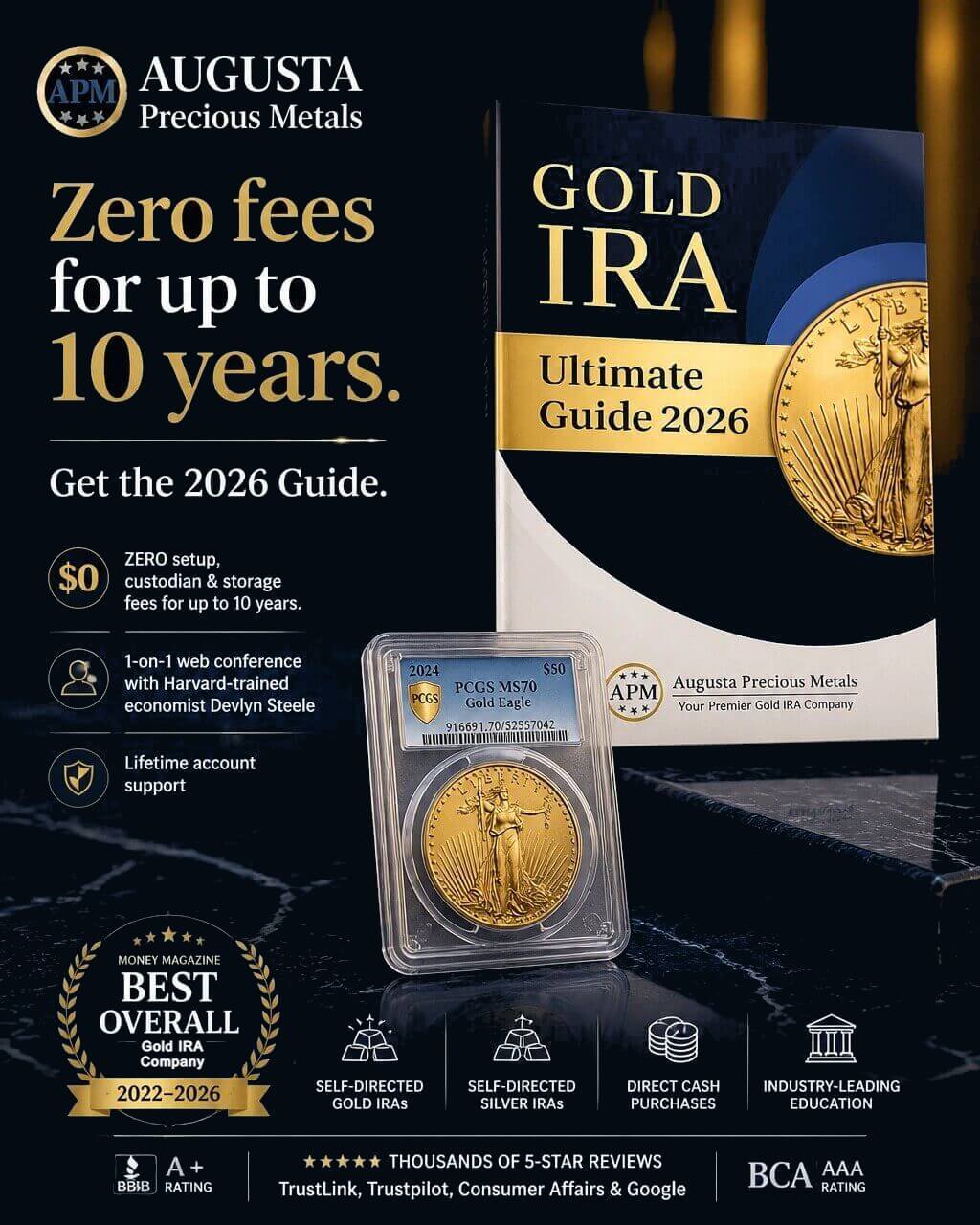
A Different Physical Gold Experience
APM helps you fully understand and evaluate your options — on your terms.
➤ Get Your Guide TodayTHIS IS AN ADVERTORIAL AND NOT AN ACTUAL NEWS ARTICLE, BLOG, OR CONSUMER PROTECTION UPDATE.