Sponsored
Should I Convert My IRA to a Gold IRA? Pros and Cons
High-Net-Worth Retirement Savers Weigh Physical Gold, IRA Rollovers, Fees, Storage, and Long-Term Dollar Risk
By Gold IRA Custodian Reviews on July 27, 2026
How to Decide Whether Moving Part of an IRA Into Physical Gold Fits Your Retirement Plan
Monday – Friday: 9:00 AM – 5:00 PM PST

Many retirement savers are asking a direct question in 2026: Should I convert my IRA to a Gold IRA?
The answer depends on your age, goals, income needs, risk tolerance, tax situation, and current portfolio. It also depends on whether you want physical gold for long-term diversification or because a headline made you nervous.
A Gold IRA can help some investors hold eligible physical precious metals inside a tax-advantaged retirement structure. Yet it is not a magic shield. Gold can fall in price. It pays no interest or dividends. Fees, spreads, storage, insurance, liquidity, and IRS custody rules all matter.
That is why the best answer is rarely “convert everything.” For many retirement savers, the better question is whether a measured portion of an existing IRA should be moved into physical gold through a properly handled self-directed IRA.
Used carefully, a Gold IRA may help reduce total dependence on stocks, bonds, cash, fiat currency, and paper market confidence. Used poorly, it can create unnecessary costs, tax issues, concentration risk, and liquidity problems.
Quick answer: You may consider converting part of an IRA to a Gold IRA if you want eligible physical gold inside a retirement account, understand the fees, can follow IRS custody rules, and do not need that portion of your portfolio for near-term income or liquidity. You should be cautious about converting an entire IRA. A Gold IRA works best as a measured diversification sleeve, not as an all-in retirement plan.
Important: This article is for educational purposes only. It is not legal, tax, retirement, estate planning, or investment advice. Always consult a qualified financial advisor, tax professional, and attorney before moving retirement assets, opening a self-directed IRA, buying precious metals, or changing your retirement allocation.
What Does It Mean to Convert an IRA to a Gold IRA?
When people ask, “Should I convert my IRA to a Gold IRA?” they often use the word “convert” in a general way.
In strict tax language, a conversion can mean moving traditional IRA assets into a Roth IRA. That may create taxable income. That is a separate tax decision.
In the Gold IRA world, many people use “convert” to mean moving retirement funds into a self-directed IRA that can hold eligible physical gold, silver, platinum, or palladium.
That movement may happen through a direct IRA-to-IRA transfer, a rollover from an old employer plan, or a new self-directed IRA contribution. The correct path depends on the type of account you have.
The key point is simple. A Gold IRA is still an IRA. It must follow IRA rules. The metals must qualify. The custodian must administer the account. The metals must be stored through an approved custody arrangement.
This is not the same as buying gold coins and placing them in a home safe. Personal gold and IRA-owned gold are treated differently.
Should I Convert My IRA to a Gold IRA? The Decision Framework
The right answer starts with purpose. A Gold IRA should solve a real portfolio problem.
For some investors, the problem is too much dependence on paper assets. For others, it is concern about inflation, dollar weakness, geopolitical turmoil, market stress, or long-term purchasing power.
Those are serious concerns. Still, fear should not be the only reason to move retirement funds.
A Gold IRA may deserve consideration when the investor wants tangible precious metals inside a retirement account and has already reviewed the tradeoffs.
A Gold IRA may be a poor fit when the investor needs income, wants short-term trading flexibility, dislikes storage costs, or feels pressured to act quickly.
| A Gold IRA May Fit If… | A Gold IRA May Not Fit If… |
|---|---|
| You want physical gold exposure inside a retirement account. | You need dividends, interest, or monthly income from the asset. |
| You want measured diversification away from paper assets. | You plan to move your entire IRA based on fear or urgency. |
| You understand custodian, depository, storage, and fee rules. | You do not want additional account administration. |
| You have a long-term wealth preservation goal. | You expect gold to deliver quick profits. |
| You can compare providers without rushing. | You are responding to high-pressure sales tactics. |
That is the central decision. A Gold IRA can be useful when it is planned. It can become expensive when it is emotional.
Why Retirement Savers Consider Gold IRAs
Most investors do not study Gold IRAs because everything feels calm. They study them because something feels exposed.
Stocks can fall. Bonds can lose purchasing power when inflation rises. Cash can feel safe while quietly buying less. Financial institutions can also create concentration risk when too much wealth sits in the same system.
Physical gold offers a different kind of exposure. It is tangible. It is globally recognized. It is not issued by a central bank. It is not a stock, bond, bank deposit, or mutual fund.
That difference does not make gold perfect. It makes gold different.
For high-net-worth retirement savers, difference can matter. A measured allocation may help the overall retirement plan rely less on one monetary system, one currency, one market cycle, or one asset class.
That is why many investors view physical gold as a long-term defensive asset. They are not always trying to beat the stock market. They are trying to preserve wealth through different conditions.
The Main Pros of Converting Part of an IRA to Gold
A Gold IRA can offer several potential benefits when it is used with discipline.
First, physical gold may improve diversification. Gold can behave differently from stocks and bonds. That may help when traditional paper assets face stress.
Second, gold may help defend purchasing power. Many investors consider gold when they worry about inflation, currency weakness, and long-term dollar risk.
Third, physical gold is tangible. Eligible IRA metals are not just a fund ticker on a screen. They are physical bullion or qualifying coins held through a retirement account custody structure.
Fourth, a Gold IRA can keep the strategy inside a retirement account. This may appeal to investors who want precious metals exposure without simply cashing out retirement funds.
Fifth, gold can help reduce emotional dependence on market confidence. Some investors sleep better knowing part of their retirement savings is tied to a hard asset rather than only to paper promises.
These benefits are real enough to study. However, they do not erase the downsides.
The Main Cons of Converting Part of an IRA to Gold
Every serious Gold IRA decision should include the disadvantages.
Gold does not produce income. Stocks may pay dividends. Bonds may pay interest. Physical gold does not.
Gold can decline in price. It is often called a safe haven, but it is not immune from losses. It can also underperform during strong equity markets or strong dollar periods.
Gold IRAs have fees. Investors may face setup fees, annual custodian fees, storage fees, insurance costs, dealer spreads, wire fees, and liquidation costs.
Liquidity requires planning. Selling physical metals is usually less instant than selling a stock or ETF. Investors should understand buyback procedures before buying.
IRS rules must be followed. Eligible metals, custody, storage, reporting, beneficiaries, and distributions must be handled correctly.
Provider quality varies. Some companies emphasize education and transparent pricing. Others use fear, urgency, or confusing coin markups.
These drawbacks do not mean investors should avoid Gold IRAs. They mean investors should compare carefully before moving retirement funds.
Gold IRA vs Traditional IRA vs Gold ETF
A Gold IRA is not the only way to get gold exposure. Retirement savers should compare it with other options.
A traditional IRA at a brokerage may hold stocks, bonds, mutual funds, ETFs, money market funds, and other common investments. It is often simple and liquid.
A gold ETF can provide convenient market exposure to gold prices. It may be easier to buy and sell than physical bullion. However, an ETF is not the same as owning IRA-held physical metals.
A self-directed Gold IRA is designed for investors who want eligible physical precious metals inside an IRA structure. That added flexibility also adds more responsibility.
| Choice | Primary Advantage | Key Limitation |
|---|---|---|
| Traditional Brokerage IRA | Simple access to stocks, bonds, funds, and ETFs. | Usually does not hold physical bullion directly. |
| Gold ETF | Convenient gold price exposure and market liquidity. | Not the same as IRA-owned physical gold. |
| Gold IRA | Allows eligible physical metals inside an IRA. | Requires custodian, depository, fees, and compliance. |
| Personal Gold Outside an IRA | Direct personal ownership outside retirement rules. | Does not provide IRA tax treatment. |
The best choice depends on the investor’s purpose. Trading convenience, direct ownership, tax structure, liquidity, and storage are different goals.
How Much of an IRA Should Be Converted to Gold?
There is no universal percentage that fits every investor.
Some investors discuss small allocations. Others consider larger allocations because they have substantial paper assets elsewhere. However, no single number should be treated as automatic advice.
The right percentage depends on your age, retirement timeline, income needs, total assets, tax plan, beneficiary goals, existing gold exposure, and comfort with volatility.
For many people, the most important rule is to avoid an all-in decision. Moving an entire IRA into gold can create concentration risk, liquidity concerns, and missed income opportunities.
A more disciplined approach starts with the role gold should play. Is it a hedge? A long-term reserve? A dollar-risk offset? A diversification sleeve? A legacy asset?
Once the purpose is clear, an advisor can help determine whether a Gold IRA allocation makes sense at all.
How to Convert an IRA to a Gold IRA Without Creating Avoidable Problems
The process should be simple on paper, but the details matter.
First, the investor chooses a self-directed IRA custodian that can administer precious metals. The custodian handles account administration. The dealer sells eligible metals. The depository stores the metals.
Second, the investor opens the self-directed IRA. This account must be titled and administered correctly.
Third, funds move from the existing IRA or eligible retirement plan. Many investors prefer a direct transfer or direct rollover because funds move between institutions rather than through the investor’s personal bank account.
Fourth, the investor selects IRS-eligible metals. Not every gold coin, bar, or collectible qualifies for IRA treatment.
Fifth, the metals are stored through the approved IRA custody structure. IRA-owned metals should not be treated like personal metals stored at home.
Before signing paperwork, ask the provider to explain every step in writing. You should know who sends funds, who receives funds, what forms are required, where metals are stored, and how fees are charged.
For a deeper explanation of provider roles, see our guide to the Gold IRA custodian vs dealer.
Transfer, Rollover, or Roth Conversion?
Investors should be careful with terminology. Different words can create different tax results.
A trustee-to-trustee transfer usually means one IRA custodian sends funds directly to another IRA custodian. This may avoid withholding when handled correctly.
A rollover often involves moving funds from an employer plan, such as an old 401(k), into an IRA. A direct rollover can keep the funds moving between institutions.
A Roth conversion is different. It usually means moving pre-tax retirement assets into a Roth IRA and recognizing taxable income. That decision should be reviewed with a tax professional.
When someone says “convert my IRA to a Gold IRA,” ask what they actually mean. Do they mean an IRA transfer? A 401(k) rollover? A Roth conversion? A new contribution? The correct paperwork depends on the answer.
Poor execution can create avoidable taxes, penalties, withholding, delays, or account errors. Therefore, process matters as much as product selection.
IRS Rules for Gold IRA Metals and Storage
A Gold IRA cannot hold just any precious metals product.
IRS rules allow certain gold, silver, platinum, and palladium coins or bullion when requirements are satisfied. Many collectibles do not qualify.
The IRS also requires qualifying bullion to be in the physical possession of a bank or approved non-bank trustee. That custody requirement is one reason Gold IRA storage must be handled carefully.
In practical terms, IRA-owned metals are usually stored through an approved depository relationship. The investor does not simply buy IRA metals and take them home.
Before buying, ask the provider to identify the custodian, depository, storage type, insurance arrangement, statement process, and eligible metals list.
Also ask whether the metals are allocated, segregated, or commingled. Those terms affect how storage is described and how the investor understands ownership records.
For pricing context, our guide to Gold IRA spreads and markup explains why product selection and dealer pricing deserve careful review.
Fees, Spreads, and the Break-Even Problem
Gold IRA fees are not a side issue. They can affect the outcome from day one.
A Gold IRA may include account setup fees, annual custodian fees, storage fees, insurance costs, wire fees, dealer spreads, and liquidation charges.
The dealer spread is especially important. Investors usually buy metals above spot price and sell below retail price. The wider the spread, the more gold must rise before the investor breaks even.
Some companies promote premium coins with higher markups. Others focus on lower-spread bullion. The difference can be material, especially for larger retirement accounts.
Before funding an account, request a written fee schedule. Also ask for a sample buy price and sell-back price on the same product. That can reveal the real spread more clearly than a sales brochure.
For a broader cost review, see our Gold IRA fees and providers guide.
Monday – Friday: 9:00 AM – 5:00 PM PST
When Converting an IRA to Gold May Make Sense
A Gold IRA may make sense when it supports a larger retirement strategy.
It may fit an investor who has significant stock and bond exposure and wants a tangible asset allocation. It may also fit an investor who worries about inflation, dollar weakness, fiscal stress, or long-term purchasing power.
It may also fit someone who wants physical metals but prefers to keep part of the strategy inside a retirement account rather than outside one.
For high-net-worth families, a Gold IRA may be one layer in a larger wealth preservation plan. That plan may also include taxable bullion, cash reserves, equities, fixed income, real estate, insurance, trusts, and beneficiary planning.
The common thread is discipline. The investor has a reason, a target allocation, a storage plan, a liquidity plan, and a fee review before buying.
When Converting an IRA to Gold May Be a Mistake
A Gold IRA may be a mistake when the decision is rushed.
Be careful if a salesperson says the dollar is about to collapse on a specific date. Be careful if you are told to move all retirement assets into metals. Be careful if fees, spreads, or storage terms are hard to understand.
A Gold IRA may also be a poor fit if you need income from the asset. Physical gold does not pay dividends or interest.
It may be a poor fit if you need instant liquidity. Gold can be sold, but liquidation requires process, pricing, and coordination.
It may be a poor fit if you want to speculate on short-term gold price moves. A self-directed IRA with physical metals is not designed like a trading account.
Most importantly, it may be a poor fit if the investor does not understand the structure. Confusion is expensive when retirement assets are involved.
Questions to Ask Before You Convert an IRA to Gold
Before opening a Gold IRA, slow the process down. Serious questions protect serious money.
- ✓ Why do I want physical gold inside a retirement account?
- ✓ Am I diversifying, hedging, speculating, or reacting emotionally?
- ✓ What percentage of my retirement assets could reasonably fit this purpose?
- ✓ Which existing IRA, 401(k), or retirement account would fund the transfer?
- ✓ Will this be an IRA transfer, direct rollover, Roth conversion, or new contribution?
- ✓ Which custodian will administer the self-directed IRA?
- ✓ Which depository will store the metals?
- ✓ Are the metals allocated, segregated, or commingled?
- ✓ What are the exact fees, spreads, storage costs, and liquidation terms?
- ✓ How will this account affect beneficiaries, estate planning, and required distributions?
A reputable provider should welcome these questions. A pressure-driven salesperson may avoid them.
How to Choose a Gold IRA Company
A Gold IRA company should educate before it sells. That matters because the investor is making a retirement decision, not buying a collectible on impulse.
Look for a provider that explains the dealer, custodian, depository, transfer process, eligible metals, storage options, fee schedule, and buyback procedure in plain English.
Ask whether fees and spreads will be disclosed in writing before purchase. Ask whether the company recommends bullion, premium coins, or both. Ask why.
Also review independent complaint history, regulator resources, customer feedback, years in business, and educational material.
Be cautious with fear-based messaging. Also be cautious with “risk-free” language. No investment is risk-free.
At Gold IRA Custodian Reviews, we encourage investors to research providers carefully. Our guide on how to find a reputable gold dealer can help you avoid common pitfalls.
GoldenCrest Metals Reviews
“I had the pleasure of working with GC for my gold investment, and the experience was exceptional. Their team was incredibly knowledgeable, guiding me through the process with patience and professionalism. I felt confident in my investment decisions, and the quality of the precious metals exceeded my expectations. Highly recommended!”
Samantha Williams
Orlando, FL
“Choosing GC for my silver investment was a game-changer. Their commitment to transparency and customer satisfaction is commendable. The entire process was seamless, from discussing investment strategies to the secure delivery of my silver. GC truly stands out in the world of precious metals.”
Jake Thompson
Irvine, CA
“I can’t thank GC enough for their expert advice and personalized service. As a first-time investor in precious metals, I had many questions, and their team took the time to address each one thoroughly. The result? A diversified portfolio that I feel confident about. Trust GC for a smooth and rewarding investment journey.”
Emily Chen
Boca Raton, FL
Monday – Friday: 9:00 AM – 5:00 PM PST
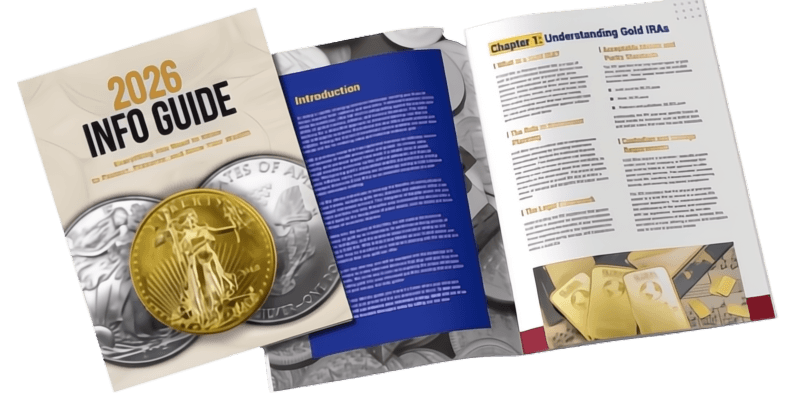
Requesting free information from a reputable Gold IRA company takes less than one minute. It can also help you compare account structure, pricing, rollover steps, storage, and physical gold questions before making a decision.
Gold IRA Conversion Checklist
Use this checklist before converting, transferring, or rolling retirement funds into a Gold IRA.
- ✓ Define the reason for owning physical gold.
- ✓ Avoid moving an entire IRA without professional review.
- ✓ Confirm whether the funding source is an IRA, old 401(k), Roth IRA, SEP IRA, or SIMPLE IRA.
- ✓ Clarify whether the transaction is a transfer, rollover, conversion, or contribution.
- ✓ Review the tax impact with a qualified tax professional.
- ✓ Choose a self-directed IRA custodian that can administer precious metals.
- ✓ Confirm the depository, storage type, and insurance process.
- ✓ Buy only IRS-eligible metals for the IRA.
- ✓ Compare fees, spreads, product pricing, and buyback terms.
- ✓ Keep records for advisors, tax professionals, beneficiaries, and heirs.
Frequently Asked Questions About Converting an IRA to a Gold IRA
Should I convert my IRA to a Gold IRA?
You may consider converting part of an IRA to a Gold IRA if you want eligible physical gold inside a retirement account, understand the fees, and can follow IRS custody rules. Converting an entire IRA is usually a much larger decision and should be reviewed with qualified financial and tax professionals.
Is converting an IRA to gold the same as cashing out?
No. A properly handled transfer or direct rollover can move retirement funds between qualified accounts without the investor simply cashing out. However, the process must be handled correctly. Taking possession of funds personally can create tax and penalty risks if deadlines and rules are missed.
Can I transfer one of my IRAs to gold?
In many cases, an investor may transfer funds from an existing IRA into a self-directed IRA that can hold eligible precious metals. The account must be administered by a qualified custodian, and the metals must satisfy IRA rules.
How do I convert my IRA to gold without penalty?
Many investors use a direct transfer or direct rollover so funds move between financial institutions rather than through the investor personally. This can reduce the risk of avoidable taxes or penalties. A qualified tax professional should review the specific account type before funds move.
What is the downside of a Gold IRA?
The main downsides include fees, dealer spreads, storage costs, lack of income, gold price volatility, and less immediate liquidity than many paper assets. Gold IRAs also require proper custody, eligible metals, and careful administration.
Can I store Gold IRA metals at home?
Gold IRA metals are generally not stored at home. IRS rules require qualifying IRA bullion to be held in the physical possession of a bank or approved non-bank trustee. Personal gold outside an IRA is different from IRA-owned gold.
Does a Gold IRA pay dividends or interest?
No. Physical gold does not pay dividends or interest. Its potential role is different from income-producing assets. Investors usually consider gold for diversification, tangible ownership, purchasing power defense, and wealth preservation.
What gold can a Gold IRA hold?
A Gold IRA can hold certain coins and bullion products that satisfy IRS rules. Many collectibles and promotional rare coins do not qualify. Investors should confirm eligibility, fineness, custody, and storage before purchasing any product for an IRA.
Should I convert my 401(k) to a Gold IRA?
Some former employer plans may be eligible for a direct rollover into a self-directed IRA that can hold precious metals. Current employer plans may have restrictions. Review plan rules, taxes, fees, and alternatives before moving retirement funds.
Why request a Gold IRA guide before speaking with a provider?
A guide can help investors understand account structure, eligible metals, rollover steps, storage, fees, and common questions before a sales conversation begins. Better preparation can make it easier to compare providers and avoid rushed decisions.
Final Thoughts: Should You Convert Your IRA to a Gold IRA?
So, should you convert your IRA to a Gold IRA?
The best answer is not automatic. A Gold IRA may make sense if it supports a clear retirement objective. It may help you add eligible physical gold to a tax-advantaged account, diversify beyond paper assets, and prepare for inflation, currency weakness, or market stress.
However, a Gold IRA should not be treated as a cure-all. Gold does not pay income. Prices can fall. Fees and spreads matter. Liquidity requires planning. IRS rules must be followed.
For many retirement savers, the practical answer is to study whether a measured portion of an IRA belongs in physical gold. That is very different from moving everything based on fear.
The first step is education. The second step is comparison. The third step is professional review. Only then should retirement funds move.
Monday – Friday: 9:00 AM – 5:00 PM PST
i IRS Rollovers of Retirement Plan and IRA Distributions
ii IRS Investments in Collectibles in Individually Directed Qualified Plan Accounts
iii IRS Approved Nonbank Trustees and Custodians
iv IRS Individual Retirement Arrangements
v FINRA 4 Tips to Know Before Buying Physical Precious Metals
vi FINRA Investor Bulletin: 10 Things to Ask Before Buying Physical Gold, Silver or Other Metals
vii Investor.gov Investor Alert: Self-Directed IRAs and the Risk of Fraud
viii CFTC Customer Advisory: Beware of Gold and Silver Schemes Designed to Drain Your Retirement Savings
Monday – Friday: 9:00 AM – 5:00 PM PST


THIS IS AN ADVERTORIAL AND NOT AN ACTUAL NEWS ARTICLE, BLOG, OR CONSUMER PROTECTION UPDATE.